BC163 - DJ Q&A: basic chanel
The Untitled 909 doyenne on her amazing 2025

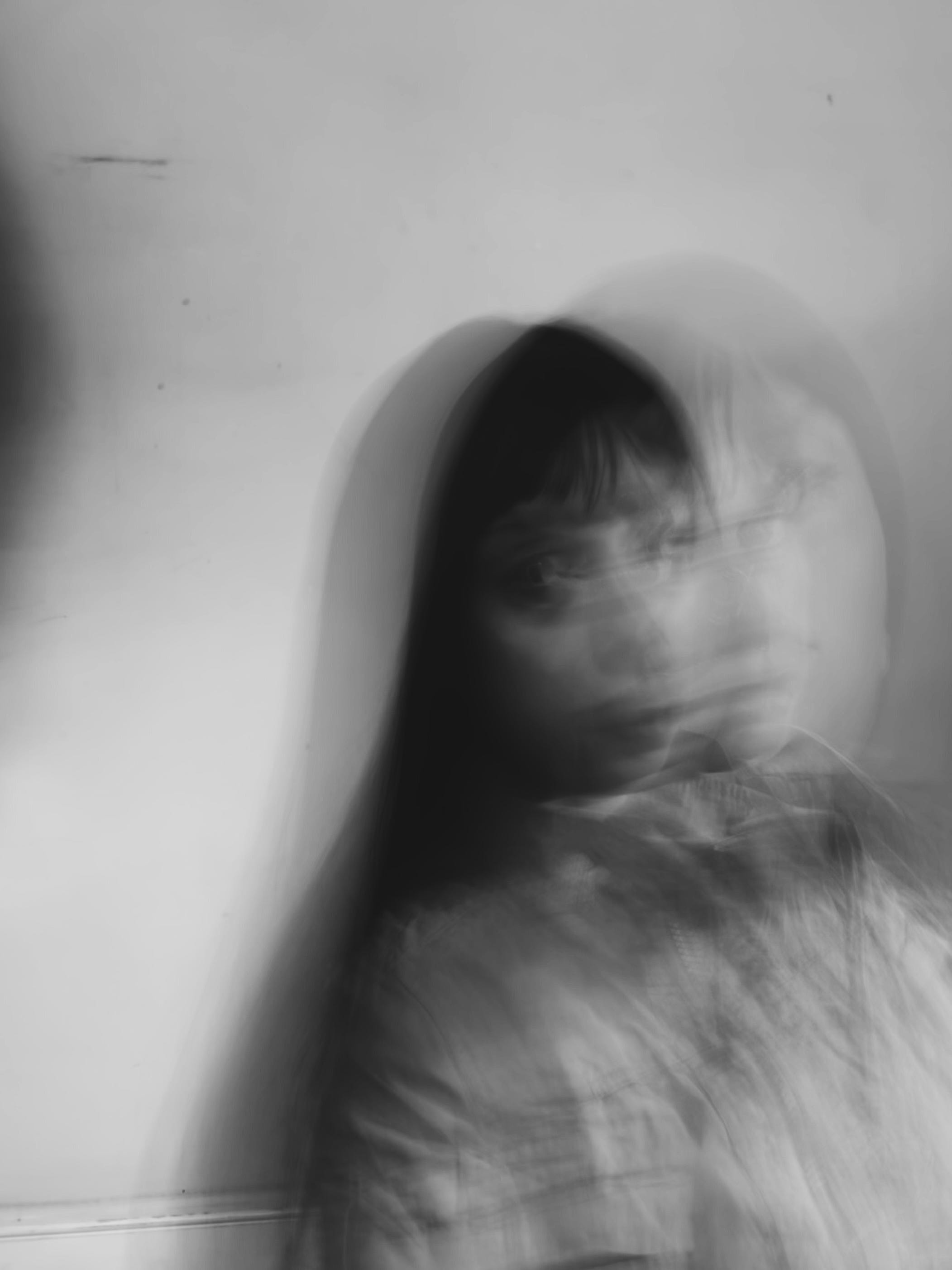
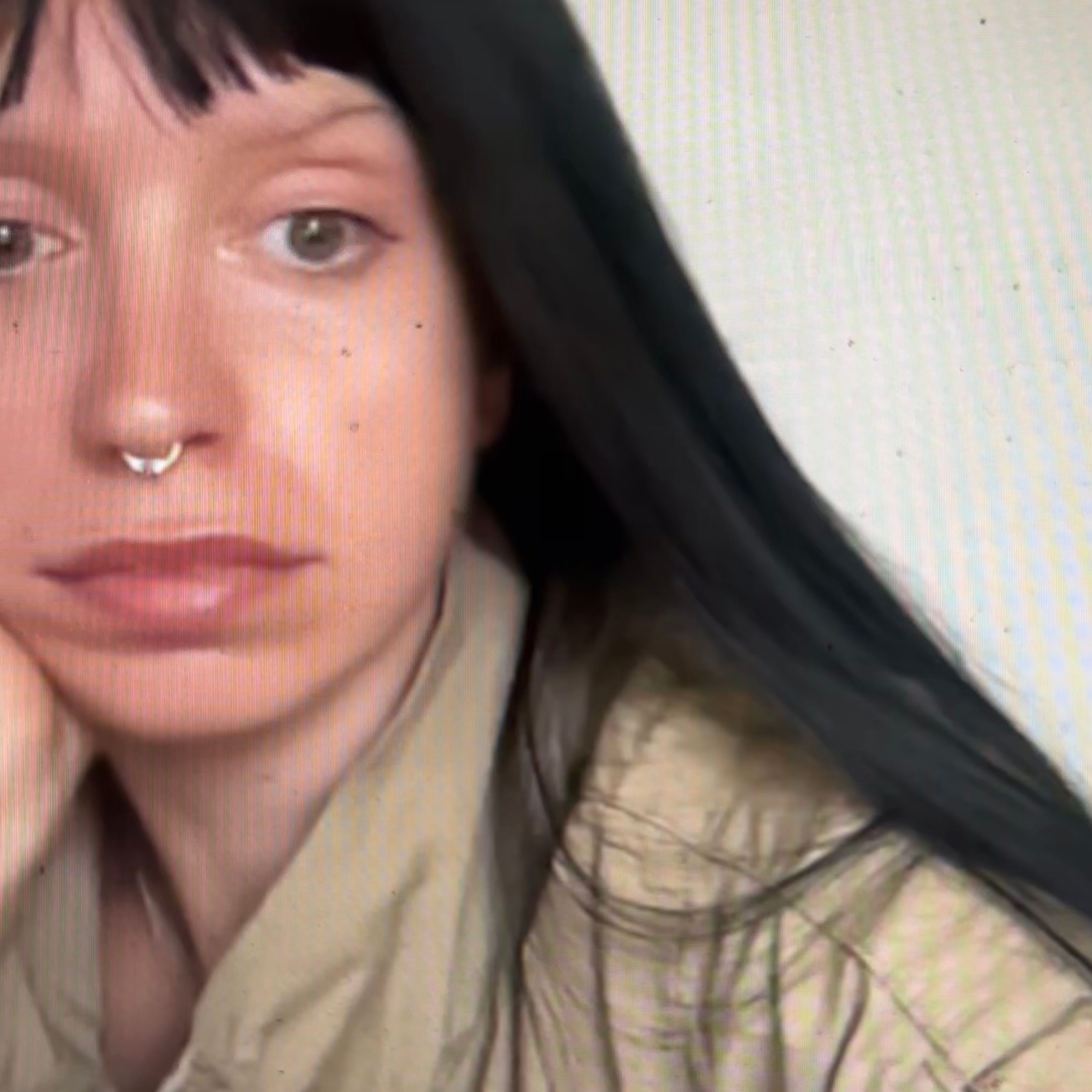
The Londoner Chanel Kadir runs the PR company Dawn Creative and the newsletter and podcast Untitled 909, and under the moniker basic chanel she plays music every month for Netil Radio and Refuge Worldwide. And as I noted back on NYE—which feels like half a year ago already—she was the DJ whose sets I listened to and got the most from in 2025.
So yes, this is late—I actually conducted this interview over Zoom a month ago, but general anxiety (not lessened much by the announcement that ICE is leaving Minnesota—the damage is long since done, and fuck anyone who supports it) made it difficult to concentrate on much of anything. Not even a transcript with someone I admire and respect, in a conversation that taught me things. But the music discussed here—and the mixes Chanel herself makes—still feels right now. Enjoy!
MM: What did you do on your long break?
CK: I actually just spent two weeks in Morocco. I was traveling around with a group of nineteen friends, organized by one person called Omar. We just traveled around the country for two weeks—camped in the desert for New Year’s Eve and New Year’s Day, which was pretty surreal. Went on hikes, went to the beach towns, and then I just spent the weekend in Marrakesh. We just got back yesterday. So yeah, I’ve been mostly traveling for my break this year, which has been really, really lovely.
My sense is that, from just the number of emails I get from you—which is not a complaint, I’m not making fun—but you’re incredibly busy.
Yes, I am, but I love it so much. It doesn’t feel as hectic as it probably does to people who are receiving my emails.
I wouldn’t say hectic, but I feel like everybody’s got to hustle right now. There’s no money. There’s no backup for anyone.
Yeah, exactly. And a lot of what I have been trying to do for the last six months is figure out what that next chapter looks like for me. I quit my full-time job in October last year, gone back to being freelance again. Obviously, the PR landscape is changing so much—it wasn’t the way that it was when I started ten years ago. So, a lot of that is me trying to figure out what I can do next that is going to have a monetary value but also still feed me creatively and passionately as well.
Was the job you quit in music?
Yes, it was at Boiler Room.
So, it’s not like you had a job that was taking you away from music, per se?
No, never was. It was just that I didn’t have the headspace to work at that job anymore, and I wanted to have more freedom to work on other creative projects, like Untitled 909, like the DJing. Quitting that made me realize I wanted to go back to working on the PR agency again, and focusing most of my efforts on that for now.
Since you’ve left Boiler Room, what would you say the percentage breakdown of your work life is?
DJing is very small at the moment for me—it’s only one or two radio shows a month, and maybe one gig a month, so it’s not that much. Obviously, that comes with the practice and digging [part of] it too. So maybe, like, 10 to 20 percent is DJing, and the majority of it is still PR—a good 50 to 60 percent. The rest of it would be writing, working on Untitled 909.
Do you work more now than you did ten years ago?
I was an intern ten years ago, so you don’t really have that much to do. I also did start Untitled 909 nine years ago. It was around the same time that I started working in music. I actually think I work less now because I am more efficient with my hours. PR, to me, is like autopilot. I can do it super easily and super quickly. I only really work full-time three to four days a week.
From the outside, you seem to have found your way to a spot where you are, seemingly at least, doing a lot of things that actually interest you.
Yeah, for sure. It’s how I am so passionate about what I do. I couldn’t work on an artist or label or music that I couldn’t connect with, because it wouldn’t feel authentic and wouldn’t feel real. I would really, really struggle to sell it. As a PR, your entire job is trying to pitch and sell an artist. If you don’t really believe in what you’re working on, then how can you do that? So, I’m super lucky and grateful that I can just work with artists and music that I really love and truly believe in.
How much of what you play as a DJ is also what you work with professionally?
Very little. Sometimes I’ll have clients come through because I started playing their tracks, and then they realize that [I do] PR, and then that connection is made. But the majority of time, I don’t really download the promos that I’m pitching out and use that in my mixes, unless I’m doing radio shows or whatever. It’s a very, very small potential percentage. Most of it is stuff that I just dig. But yeah—more and more, it’s becoming closely connected, because people discover that I play their tracks, and then they discover my PR, and then the conversations happen from there.
I mean, I’ve only been DJing probably for two years. It’s still a very new practice to me—publicly. I’d just been DJing at home before then, or just doing the radio shows, never really playing out. I think they are becoming more and more closely connected since I’ve started publicly DJing, but it’s still the same taste.
How long have you been on the radio?
Maybe five years now, six. It started with Refuge Worldwide when they launched their radio station. It was through a friend. I was living in Berlin at the time.
Were you mixing early on, or were you just playing a track after a track?
Yeah, exactly. I probably didn’t start mixing properly publicly until maybe two, three years into the residency. Even then, I was like, “This is so hard. I’m spending hours trying to make this radio show just because I want to mix the track properly. I’m not going to do this right now.” And then, yeah, I just put more of my work into learning how to mix properly.
How would you say the music itself that you play on Refuge Worldwide has progressed, for example, over the last few years?
It’s changed format. Before, it used to be more ambient—that was, for me, the easiest genre to make a story with, and to mix. I had friends come on and guest do guest shows for it. Now, I’ve tried to use that radio show as an extension of my recommendations newsletter. It’s not mixed anymore. It’s just me playing tracks that I featured in the newsletter and talking through it—more like an audible version of that newsletter. Then I have Spiralling, Naturally on Netil Radio, which is now the radio show that I use to mix on and experiment and play around with and go back-to-back with guests, which has been really, really fun.
When you make mixes for other outlets, do you differentiate them very specifically away from each other, the way you described with those two shows?
The other mixes are more based on how I’m feeling, and the headspace that I’m in, and maybe stuff that I’m obsessing over. I’ll go down little wormholes, and want to explore that with a mix opportunity that’s coming up. It also depends on the concept of the platform. Some of these are really conceptual. I have one that’s coming up called Further Inward. It’s run by A Strange Wedding, and that’s based around a feeling or an environment. So, I’m using that mix to channel music, or mix music, that is inspired by my time at Lanzarote—so a lot of volcanic landscapes and things like that.
Is it my imagination, or have the subs really taken over techno over the past year? They’re everywhere, it seems.
Yeah, they are. It’s a really, really exciting time. It’s definitely the sounds that I’m obsessed over the most, like the French low-end psychedelia piece that I’ve written. I’m planning on expanding that, because there’s very various different pockets in Europe that all explore this sound, but in various different ways: like, the Dutch scene is very minimalist but very cold feeling. I think Italy also has a similar output to that. Spain is quite warm in their sound—but it all has this low-end psychedelic tinge to it. And I am seeing more and more people step towards that direction.
You cannot get away from it.
You’re right, you cannot. And, yeah, it’s been really exciting to see artists like Beatrice M and this new wave of dubstep artists coming through in the same vein.
I went to a party on December 20 in Minneapolis, and I saw Woody McBride, a.k.a. DJ ESP. Basically, if anybody founded the rave scene in the Twin Cities, it was him. I interviewed him for a cover story ten years ago for a local paper. His kid was trying to get him to “make the bass hurt,” more like Skrillex—which he, as an old-school techno guy, looked down upon ten years ago. When I saw him play in December, several of the tracks were literally all subs.
Relatedly, there’s always been a big psytrance scene in the Twin Cities, and that’s had a big crossover with techno locally. When I started to hear things like Untitled 909 Podcasts where I thought: Oh, this is techno with psytrance frosting. I was shocked that nobody had done it before, quite honestly.
Yeah. It’s a super interesting time to see how all these different genres are all connected in that way. I also think it’s super inspired by Australia; I think Australia has been doing this for years. You have LOIF, who you’ve featured. You have the likes of Kia becoming massive. And I think that sound and the Australian influence has really been felt across Europe and the U.S. now, and vice versa. It’s this huge connection worldwide. And I think it’s really beautiful that people are taking those influences from other countries and making it their own, based on the city they live in, the environment they’re in.
The sub-ification, as I’ll call it, of techno seemed to happen gradually and then all at once.
But I think it happened [before], in the early 2010s, or late 2008, with Shackleton. It’s just that coming back again. But I don’t know—I’d never experienced it the first time around when it happened.
I think there’s so much diversity in the sound now, and obviously the people that are making it are so diverse too, and I think that’s making it so much more exciting and so much more beautiful and so different to what happened [before] years ago. It’s been super fascinating to try and figure out why it’s happening now. That’s what I tried to explore with the low-end psychedelic piece—what politically and socially is happening in the world right now, for people to be drawn back to these sounds and have their own spin on it.
Like, you have 69db from Spiral Tribe coming back. He’s been playing lineups [at] Berghain and Dekmantel and Essaim, and the French piece was all based from that, and his the Free Party movement going [to] France from the UK. It’s been really fascinating to try and like connect the dots in that way. I feel like the guy from Always Sunny at the moment, with his mind map behind him, trying to figure it all out.
The Charlie Day meme.

Yes—the galaxy-brain thing.
My sense is that for a lot of younger people—and of course, I’m almost fifty-one, so everybody’s younger to me—but for people under thirty, say, I think the stigma against psytrance or even dubstep in the States that was there ten or fifteen years ago—or twenty-thirty years ago—simply doesn’t exist. Or at least it doesn’t exist in a meaningful social “You’ll be cast out if you listen to this music” kind of way. I feel like, for some people, there’s no meaningful distance between those two things—between what’s cool and what’s allegedly uncool.
Because they don’t have the context behind it. They’re not aware of the history. They just come in, love the sound, and then maybe found out about it later. But that doesn’t matter at that point, because they found their sound. They found the community that they can connect with. And it’s been really nice for them to be able to reclaim it and remove that stigma from it and be able to move forward without all that bullshit that came with it the first time, where people did have so much to say about those two specific things that were happening.
I’d like to ask you about the sets that I put on my list last year. How did you first encounter LOIF, who made my favorite mix of 2025?
Actually, I can’t remember how I first discovered him. But I just instantly gravitated to his psy-influenced sound. He was making some of the most interesting music that I had heard at that time. And that’s how one of my obsessions came to [be] digging into these more low-end psychedelic sounds, and how psy is now intertwined with that, and those more trance [influenced] influences. It must have been two or three years ago that I first discovered him. And then I got to hang out with him when he was in Europe, which was really lovely. Don’t think I’ve still yet to see him play in real life.
Oh, wow.
Yeah, I know, it needs to happen. But yeah, just obsessed with his albums, all of the productions that he released—really sick, just an insane producer.
What was the gap between you asking for a podcast mix and having it delivered?
I think it might have been almost a year. I feel like he was one of those people where, some people have a deadline that they want to stick to, and he [had], like, a time of year. [double checks email] Yeah, almost a year from when I asked, to when he delivered it. He was working on his most recent album at the time—that’s why it took a little while.
When you played it the first time, how did it hit you?
It was just crazy. It blew my mind. It was such a fun, driving mix. I probably listened to it on a run, the first time I listened to it, which is always my favorite way of listening to the mixes that people send me. But yeah, it just was exactly what I would have loved to hear from him, and felt very close to how he approaches his productions. I used to make running playlists—like, for sprints, I’d put on Pendulum and go crazy. Or if it was a slow run, I’d listen to a dub techno set.
I’m going to ask you about the four sets of yours that I highlighted and I’m going to do them in the order listed. I’m curious a little bit about their individual backgrounds. Do you play regularly on Kiosk Radio?
No, that was my first time. I’d been to Brussels before, but it’s my first time playing [at the station], because I was booked for Horst Club that weekend. This was the gig before the show, like a little primitive thing.
I’m curious what the room of Kiosk Radio is like. Is it a shipping container, like the Lot Radio in Brooklyn, or something similar?
It’s in a park. It’s in a rural park—like those cafes that you get in park that are wooden and pentagon-shaped, with a really pretty roof. It’s in one of those. They have a cafe on the side, and then the radio station on the other side, and you can sit outside at picnic tables, and it’s really beautiful.
Do they have the speakers aimed outward as well?
Yeah, you can listen to it.
It doesn’t seem like there’s much overlap of tracks between the Kiosk set and the Horst Club one. Is there?
There is, a few tracks.
Fair enough. But I feel like there are very different sets. What order again?
Radio set first, and then club set. But I’ve been prepping both basically the same at the same time that week.
So, you were working on those very separately?
Yeah.
What is Horst Club like? I have never been to Brussels.
It’s incredible. Horst Club is the club version of the [Horst Arts & Music] Festival. They basically still use the same festival site that they’ve been building all year, that they use in May, and then turn it into a club for the winter season. They run one party a month from October to February. Horst is one of these incredible spaces where they really put architecture at the forefront, and really cater to stage production and design, and how that influences how a crowd interacts with each other—and also the music.
I remember one year I went, and [two] stages were facing each other, so all the crowd was inwards, and the booth was on the outskirts, which meant that you were very connected to the people that you were dancing with, and could literally face each other across the room. The room that I played in was the garage, which was 150 cap, very cute and intimate. It had like garage windows around the room. The sun was peeping in, a kind of shuttered Panorama Bar feeling. And so, the sunlight was beaming in early Sunday morning. It’s just a beautiful space to explore. They have loads of different rooms you can navigate. They have a playroom and the outdoor area too.
What time did you play?
9 a.m. to 1 p.m. It started at 11 or midnight on Saturday night, and then it went through to midnight on Sunday. They do it for 24 hours every time.
When you’re prepping this, do you already know your time slot? Are you specifically prepping a 9 to 1 set?
Yeah—and the programmer of Horst, for this room, had a very specific vision of how he wanted the day to night go and again. He really wanted to start [with] tech-house and minimal for the first nine hours of the party. Then he [asked] me to bridge from tech house to the spacey psy sounds that we were just talking about. He wanted me to bridge those two, so that during the rest of the day after me, it went into more 170-180 [BPM] energy.
That’s a lot of balls to balance.
Yeah, it was one of the most ambitious, but, insane programming I’ve ever seen. That was in one room only. But it worked so well. It was really inspiring to see how he managed to pull that off.
What is the biggest room you’ve played in so far?
I think no more than 300 actually, which is MOT. That’s in London.
Let me ask about the Sure Thing Mix. How did this come about?
That came about in 2023 or 2024. I emailed Aaron, actually, to see if I could interview him for Untitled 909. The Sure Thing Mix series is run by Aaron J, and I wanted to interview him for 909 because I’m obsessed with his sets and the creation around Sure Thing, both as a mix series and a label. He doesn’t do interviews, unfortunately. But then he asked me to do a mix for him instead, and gave me basically six months to a year deadline period. He just said, Q1 or Q2 of the following year. I was obsessively thinking over it from that moment onwards.
There were so many different avenues that I could have gone and wanted to explore, but I actually made the playlist for it really quickly in the end, based off intuition and fiddling around my rekordbox and going through some of my recent playlists or tracks that I love and moods that I was inspired by. But it was six months of deep obsession and constant thinking about it.
My sense is that taking six months to make a mix and deciding what you’re going to play on the spot are basically two sides of the same coin.
Yeah, basically right.
One is not preferable to the other. But what are the advantages of having six months to a year to do something like that?
It means that you can really spend time digging and figuring out what story or narrative that you want to tell, or what emotion you want to try and translate. I think mixes are so personal and deeply valuable to an artistic output, that I think the value in them slowly went away, but it’s coming back now. I think that six months is—using that time to explore and really pull together something that you’re happy with, and find tracks that you really, really love, that you can express yourself with, versus having to rummage around and quickly scramble together a mix playlist in a month or a few weeks—that’s just going to be more reactive.
How old is the oldest music you tend to play?
Maybe early nineties.
That makes perfect sense. It seems like you’re not worried about whether it’s brand new all the time.
No, and I’m really trying. I spent a lot of time, especially when I first started DJing, just using Bandcamp to dig on. But now, since I’m playing so many different genres as well, and there’s so many things that I’m obsessed over and trying to learn the historical context of as I’m playing and digging, I now use Discogs more, and I’m using the eras as a way of helping me dig for music. One of my obsessions recently was early-2000s minimal. I’m still in the rabbit hole [there].
I’ve been playing dubstep sets recently. So, I’ve been digging late-2000s dubstep—doing the dubstep-minimal crossover on Discogs, which has been so fun to dig on there, versus Bandcamp, and so much easier to search for the things that you want. This year is the year of going more into older music and learning about the history and context behind the sounds that I love now.
The last one I’m asking about is actually the earliest, which is your back-to-back with OL Drift. Where did this take place?
That’s at Ormside Projects in London, which is 250 to 300 capacity. It’s my favorite venue in London. It’s the best crowd, the best space . . . If you can call it a club. It’s very much a bare space, but serves a very good purpose, and does it really well. It was actually for a Palestine fundraiser, that party.
What is the room like? Is it wood? Is it colored? Is it painted black?
It’s just a black room. It’s very, very bare—maybe four lights in the space. When I first went to it, it used to have the toilets on the dance floor. They were like wooden shacks that you had to queue up. It was so DIY.
Wow.
Queue on the dance floor to get into his wooden toilets that were also next to the bar. Everything about it was so wrong.
That sounds plague-like, yeah.
Should not have been a thing. [both laugh] Post-Covid, I was like, “Wow! Who is she?” when I walked into the club. I was like, “She has separate toilets that are away from the dance floor. There’s a separate bar area.” Like, all the things that you need for a great dance floor.